

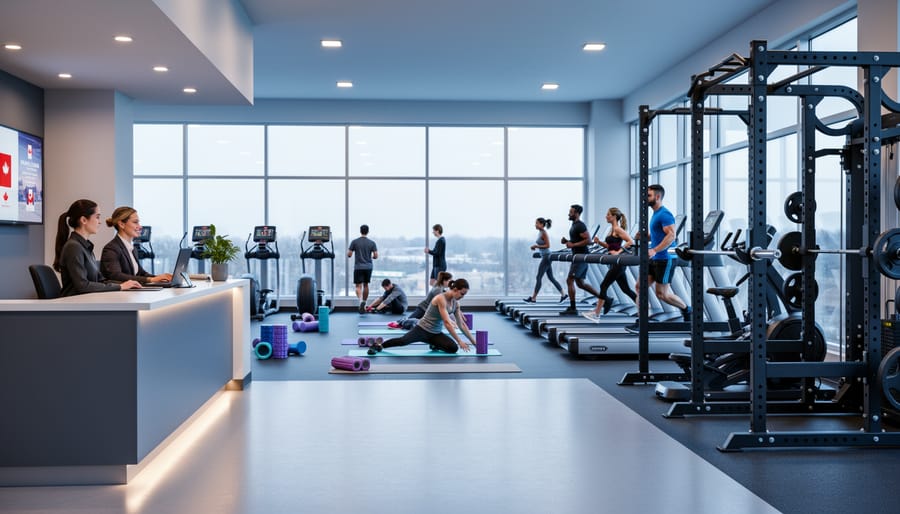
Finding the right fitness club in 2026 means understanding what you truly need from your workout space. Skip the flashy marketing and focus on three factors that matter: proximity to your home or office (clubs within 15 minutes get visited three times more often), equipment quality that matches your training style, and class schedules that fit your actual routine, not your aspirational 5 AM wake-up time.
The fitness club industry has transformed dramatically over the past few years. Budget-friendly chains now offer $10-30 monthly memberships with solid equipment, while boutique studios charge $150-300 for specialized programming and community. Mid-tier clubs typically run $40-80 monthly and strike a balance between amenities and affordability.
What works for your neighbor might frustrate you within weeks. Someone training for powerlifting competitions needs different equipment than someone seeking yoga and meditation spaces. Tour facilities during the hours you’ll actually attend. A empty gym at 2 PM tells you nothing about the 6 PM crowd competing for squat racks.
Consider how wellness trends shape modern fitness spaces. Many clubs now designate recovery areas with foam rollers, stretching zones, and relaxation spaces. Some members explore wellness supplements as part of their fitness routine, though it’s essential to research any products thoroughly and consult healthcare providers about potential benefits or interactions.
Your fitness journey deserves a supportive environment. The best club isn’t the one with the most Instagram-worthy lounge. It’s the space you’ll consistently show up to, where staff know your name, and where you feel comfortable pushing your limits. That consistency builds the results you’re after.
The Current State of Fitness Clubs in Canada
Canada’s fitness club industry isn’t just surviving, it’s thriving. The 2026 market size and businesses data shows the sector has reached $6.3 billion, with 9,710 businesses operating across the country. That’s substantial growth in an industry many predicted would struggle after the pandemic disruptions.
The numbers tell a compelling story. In 2025 alone, the industry grew by 3.3%, proving that Canadians are prioritizing their health and fitness more than ever. This isn’t a fleeting trend driven by New Year’s resolutions, it represents a fundamental shift in how people view physical wellness as part of their daily lives.
What makes this particularly interesting is the diversity driving the expansion. We’re not seeing cookie-cutter gyms multiply. Instead, the landscape includes everything from budget-friendly options charging $15 to $22 monthly to premium urban facilities commanding more than $75 per month. Traditional full-service clubs operate alongside specialized studios focusing on calisthenics, prenatal fitness, rehabilitation, and community-based training.
This variety explains why calling fitness clubs an “emerging niche” feels accurate despite the industry’s size. The niche isn’t about market size, it’s about specialization and personalization. Every week seems to bring a new approach, whether that’s hybrid online-physical models, recovery-focused facilities, or studios built around specific training philosophies.
The surge in interest also reflects Canadians’ growing understanding that fitness isn’t one-size-fits-all. Someone recovering from a sports injury needs different support than someone training for strength or managing weight loss. The 9,710 businesses operating today represent thousands of different approaches to helping people move better, feel stronger, and live healthier lives. That’s why this industry keeps growing, it keeps evolving to meet real needs.
Understanding Membership Costs and Value
Let’s talk about what joining a fitness club actually costs in 2026, and more importantly, what you’re getting for that investment.
Membership prices have jumped 15.9% since 2021, which might sound alarming until you consider what’s changed. The average Canadian now pays between $60 and $80 monthly for their gym membership, but that range only tells part of the story. Your actual cost depends heavily on what type of facility you choose and where you live.
Budget gyms operate in the $15 to $22 range, offering basic equipment access without the frills. These no-contract options work brilliantly if you’re self-motivated and just need space and equipment to train. Mid-range facilities, typically $37 to $52 monthly, add group classes, more varied equipment, and sometimes personal training packages. Premium memberships in urban areas exceed $75 and can climb much higher, especially for boutique studios specializing in specific training methods.
| Membership Tier | Monthly Cost | What’s Typically Included |
|---|---|---|
| Budget | $15-$22 | Basic equipment access, 24/7 availability, minimal amenities |
| Mid-Range | $37-$52 | Full equipment range, group classes, standard hours, shower facilities |
| Premium | $75+ | Specialized programs, small group training, recovery amenities, nutrition guidance, flexible scheduling |
Here’s what matters more than the sticker price: evaluating whether the membership aligns with your actual fitness goals and how you’ll realistically use it. A $20 gym you never visit wastes more money than an $80 membership you use four times weekly. Consider what motivates you. Do you thrive in group classes, or do you prefer solo training? Does having recovery equipment matter for your goals? Will you use the pool, or are you paying for amenities you’ll ignore?
The 3.3% industry growth in 2025 reflects something important: more Canadians are finding clubs that match their specific needs rather than settling for whatever’s cheapest or closest. The question isn’t whether you can afford a membership, it’s whether the membership supports where you want to go with your fitness journey. Different bodies need different environments, different coaching approaches, different communities. Your investment should reflect your priorities, not just your budget.

What Different Types of Fitness Clubs Offer
Traditional Full-Service Clubs
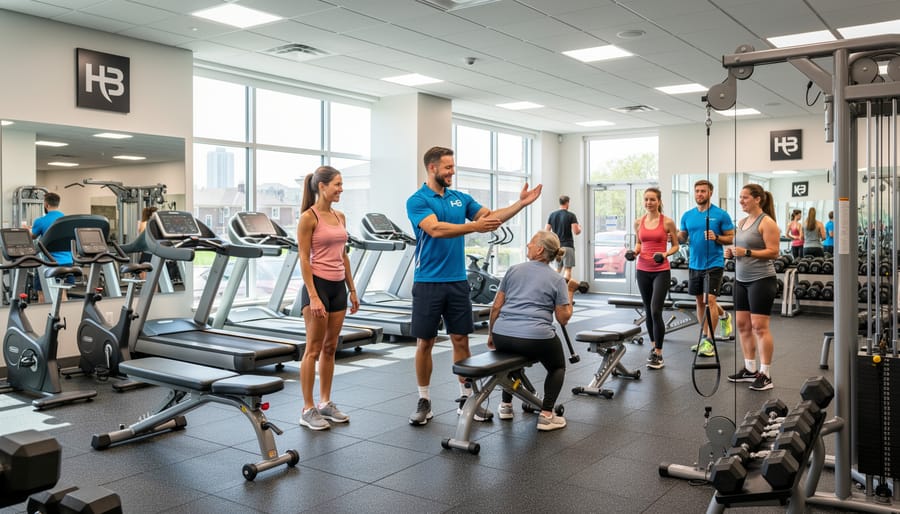
Traditional full-service clubs remain the backbone of Canada’s fitness industry because they offer something for everyone under one roof. You’ll find rows of cardio machines, free weights, resistance equipment, and dedicated spaces for stretching or functional training. Most provide a range of group classes throughout the day, from yoga and spin to HIIT and dance-based workouts, so you can mix up your routine without paying extra.
What sets these clubs apart is the amenities. Locker rooms with showers let you squeeze in a workout before work. Some locations include pools, saunas, or steam rooms for recovery days. Many offer personal training services if you want one-on-one guidance or help breaking through a plateau.
The convenience factor matters. With longer operating hours and multiple training zones, you’re not waiting in line for equipment during peak times. You can lift weights Monday, take a spin class Wednesday, and try a new yoga style Friday without needing three different memberships. That flexibility makes it easier to stay consistent, especially when you’re figuring out what type of training works for your body and goals.
Specialized and Boutique Studios
Boutique studios have carved out their own space by zeroing in on what they do best. Instead of offering everything, they go deep on one discipline. You’ll find studios dedicated entirely to calisthenics, where members master bodyweight movements in a structured progression. Others focus on prenatal fitness, creating safe, supportive environments for expecting mothers with instructors trained specifically for that stage of life.
Weight loss management studios take a different approach, combining targeted workouts with accountability systems and sometimes nutritional coaching. The advantage here is expertise. When a facility specializes, the staff typically has advanced training in that area, and the community that forms around a shared goal creates powerful motivation.
These studios often cost more than traditional gyms, but you’re paying for specialization and attention. Class sizes stay smaller, coaching gets more personalized, and the programming follows a clear method rather than general fitness advice. If you have a specific goal or need guidance in a particular area, this focused environment often delivers better results than trying to figure it out alone in a big-box gym.
Community and Online Hybrid Models
The pandemic forced fitness clubs to rethink how they serve members, and many discovered that flexibility beats the old all-or-nothing model. Hybrid memberships now let you stream live classes from home on busy weekdays, then hit the physical facility on weekends for equipment work or community connection. Some clubs offer tiered pricing where you pay less if you primarily use digital content, more if you want full facility access. This setup works for parents juggling childcare, shift workers with unpredictable schedules, or anyone who travels frequently but wants to stay connected to their training program. The best hybrid models aren’t just gyms with a YouTube channel tacked on. They build genuine community through app-based challenges, member forums, and scheduled virtual meetups that keep you accountable even when you’re training alone at home.
Finding the Right Fitness Club for Your Goals
Choosing the right fitness club starts with getting honest about what you actually need, not what sounds impressive or what your workout partner swears by. A club that works for someone training for a marathon won’t necessarily suit someone recovering from a knee injury or navigating prenatal fitness.
Start by defining your primary goal. If you’re focused on weight loss, look for clubs offering structured programs with regular progress tracking and nutritional guidance. Strength building requires quality equipment and possibly access to trainers who understand progressive overload principles. For athlete recovery or rehabilitation from injury, you’ll want facilities with specialized staff who understand therapeutic exercise and can modify movements safely. Prenatal fitness demands instructors with specific training in pregnancy-safe movement patterns.
When evaluating potential clubs, consider these factors:
- Location and accessibility, can you realistically get there consistently?
- Equipment variety and condition, does it support your training style?
- Class schedule and variety, do offerings match your goals and availability?
- Trainer qualifications and expertise, can staff guide your specific needs?
- Community atmosphere, does the environment feel supportive or intimidating?
- Flexibility options, are there online classes or off-peak access if your schedule varies?
Don’t skip the trial visit. Most clubs offer day passes or trial weeks. Go during the time you’d normally work out to see how crowded it gets. Watch how staff interact with members. Notice whether people seem friendly or keep to themselves, depending on what you prefer.
Budget matters, but don’t automatically assume the cheapest option saves money. A $15 monthly membership you never use costs more than a $60 membership you attend three times weekly. That said, expensive doesn’t guarantee better results either. Some boutique studios charging premium rates offer specialized instruction that accelerates progress for certain goals, while others are paying for aesthetics more than substance.
Ask about commitments before signing. Month-to-month contracts cost more but let you switch if your needs change. Annual contracts lock in lower rates but trap you if the club doesn’t fit. Read cancellation policies carefully, life happens, and you shouldn’t be penalized for six months when you need to pause.
Your body, schedule, and goals are unique. The right fitness club meets you where you are and supports where you’re headed, whether that’s building serious strength, losing 30 pounds, or safely staying active through pregnancy.
Real Stories: How Fitness Clubs Changed Lives
Sarah walked into her first calisthenics class three years ago barely able to hold a plank for fifteen seconds. After a knee injury ended her running routine, she thought her active days were over. Her fitness success story began when a trainer showed her how bodyweight exercises could rebuild strength without stressing her recovering joint. Today she teaches others facing similar setbacks.
Marcus joined a community fitness club in 2024 carrying 60 extra pounds and serious doubts about fitting in. The variety of programs at his club meant he could start with gentle movement classes before progressing to strength training. His changed my routine approach focused on consistency over intensity, attending three sessions weekly regardless of how he felt. Two years later, he’s down 45 pounds and trains alongside members who’ve become close friends.
For Jennifer, postpartum recovery felt isolating until she found a studio offering specialized prenatal and postnatal programs. Her weight loss journey wasn’t just about the scale. It centered on rebuilding core strength and connecting with other new mothers who understood the challenge of reclaiming fitness while caring for an infant. She appreciated trainers who knew the difference between pushing hard and pushing smart during recovery.
What these stories share isn’t dramatic transformations or extreme dedication. It’s the discovery that the right fitness environment makes showing up easier. Each person found a club that met them where they were, offered genuine support without judgment, and provided programs aligned with their specific needs rather than generic solutions. That accessible, personalized approach turns intimidating fitness goals into achievable daily practices.
The Wellness Conversation: Holistic Approaches in Modern Fitness Clubs
Fitness clubs across Canada are expanding their focus beyond reps and sets. In 2026, the most forward-thinking facilities recognize that sustainable fitness results come from addressing the whole person, not just their workout routine.
Nutrition guidance has become a standard offering at many clubs, with members receiving personalized meal planning support and education about fueling their bodies for recovery and performance. This isn’t about restrictive dieting. It’s about understanding how what you eat impacts your energy, strength gains, and overall wellbeing.
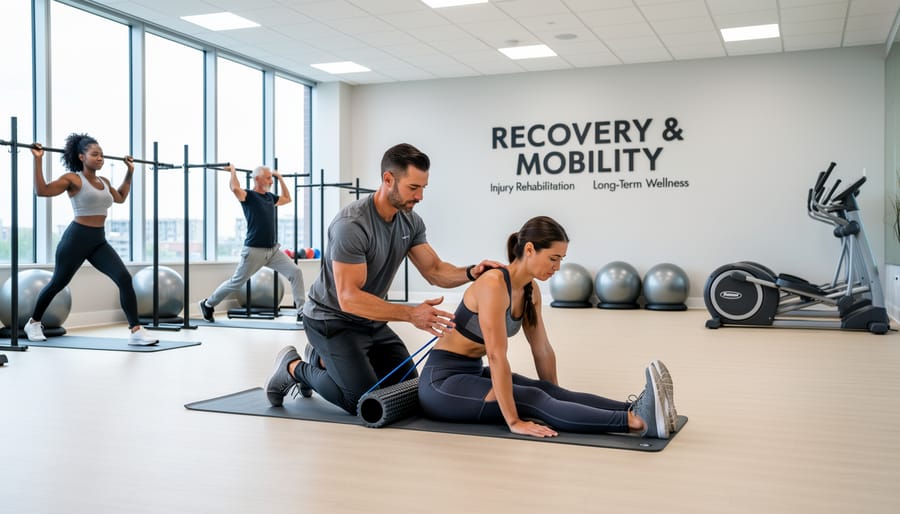
Recovery strategies are getting the attention they deserve too. Progressive clubs now offer foam rolling workshops, guided stretching sessions, and education about sleep quality. Members are learning that what happens between workouts matters just as much as the training itself.
There’s also growing curiosity about alternative wellness approaches within fitness communities. Some members explore supplements, recovery aids, and lifestyle modifications to support their training. CBD has entered these conversations, though it’s crucial to understand this is an area of ongoing research and individual exploration. The science around CBD and athletic recovery remains in development, and what works for one person may not work for another.
Similarly, the relationship between vaping and fitness is something members are becoming more informed about as they make choices that align with their health goals.
What makes these holistic approaches valuable is their emphasis on informed decision-making rather than trends. Modern fitness clubs create space for members to explore what works for their unique bodies and goals, always encouraging education and professional guidance over quick fixes.
The fitness club landscape in Canada has transformed into something far more inclusive and diverse than many people realize. With nearly 10,000 facilities across the country and options ranging from budget-friendly $15 memberships to specialized studios, there’s genuinely a space designed for your specific needs and starting point.
What makes 2026 different is that fitness clubs have stopped pretending one approach works for everyone. Whether you’re recovering from an injury, exploring prenatal exercise, building strength through calisthenics, or simply looking for a supportive community to start your journey, you’ll find clubs built around those exact goals. The industry’s steady growth reflects this shift toward personalized, accessible wellness rather than intimidating one-size-fits-all gyms.
Your fitness journey doesn’t require a perfect body, elite athleticism, or even prior gym experience. It starts with finding the right environment that matches where you are now and where you want to go. Some people thrive in traditional full-service clubs. Others discover their strength in specialized studios or hybrid programs that blend in-person training with online support.
Take time to visit different facilities, ask questions about their approach, and pay attention to how the space makes you feel. The right fitness club isn’t just about equipment or price, it’s about finding a place where you feel supported, challenged in healthy ways, and genuinely excited to show up. That place exists for you somewhere in Canada’s diverse fitness landscape.
