

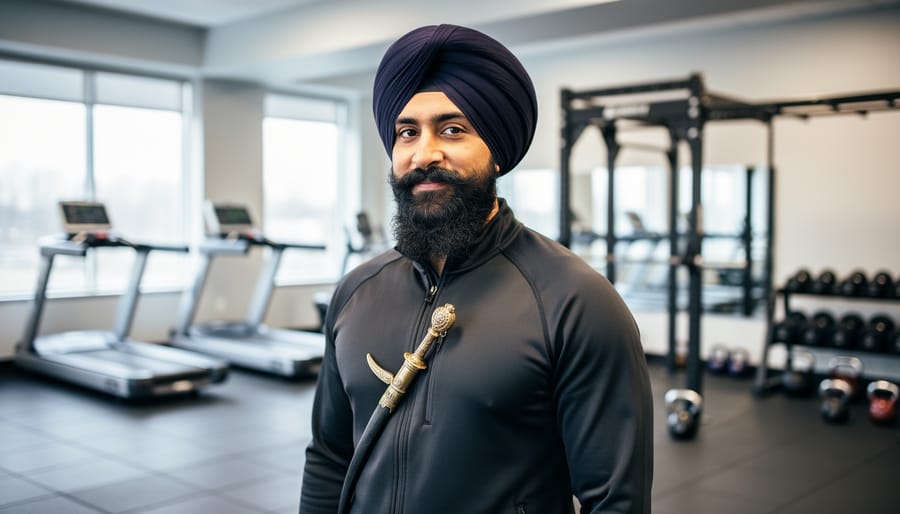
A viral incident at a GoodLife Fitness location in Windsor, Ontario brought religious accommodation in fitness spaces into sharp focus when Gurpartap Singh Khalsa was asked to leave for wearing his kirpan, a ceremonial dagger that’s a protected article of faith in Sikhism. The Supreme Court of Canada has already ruled that the kirpan is protected, and businesses providing public services including gyms have a legal duty to accommodate it unless they can demonstrate undue hardship. GoodLife Fitness responded by launching an investigation into the incident while confirming the employee involved would not be terminated, raising questions about whether policy gaps or training failures led to the confrontation.
This case matters for anyone who values inclusive fitness spaces where religious expression and personal wellness don’t have to compete. The incident highlights a disconnect between legal requirements and front-line practices at many gyms, similar to ongoing conversations about accommodating diverse personal choices in fitness environments. For those working toward health goals while honoring cultural or religious practices, the outcome of GoodLife’s investigation and any resulting policy changes will signal whether major fitness chains are ready to meet their legal obligations and create truly welcoming spaces. The response sets a precedent that extends beyond one gym and one faith, touching everyone who believes fitness should be accessible without forcing anyone to compromise their identity at the door.
What Changed: The Windsor Incident and Its Aftermath
A viral video showing Gurpartap Singh Khalsa being asked to leave a GoodLife Fitness location in Windsor, Ontario for wearing his kirpan ignited widespread attention to religious accommodation in fitness spaces. The incident prompted immediate scrutiny of gym policies regarding the ceremonial Sikh article of faith, which the Supreme Court of Canada has ruled protected under religious freedom. GoodLife Fitness quickly launched an investigation while confirming the employee involved would remain with the company, signaling a careful review rather than swift disciplinary action. The controversy spotlighted a critical gap between legal obligations and front-line implementation at fitness facilities serving diverse communities.
1. Viral Video Brings Religious Accommodation to Fitness Spotlight
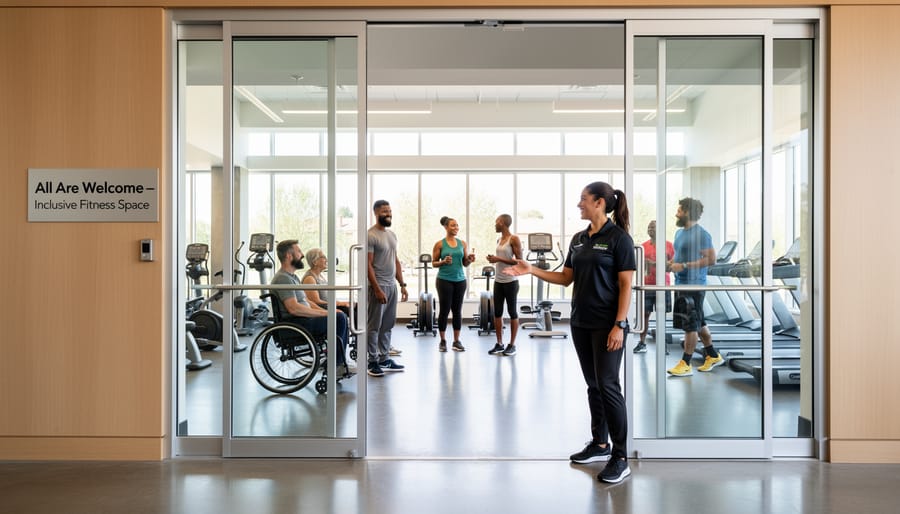
A viral video shook the Canadian fitness community when Gurpartap Singh Khalsa was asked to leave a GoodLife Fitness location in Windsor, Ontario for wearing his kirpan. The incident, which quickly spread across social media, sparked immediate outrage and ignited a national conversation about religious accommodation in fitness spaces.
For baptized Sikhs, the kirpan is one of the five articles of faith (known as the Five Ks) that must be worn at all times. It’s not a weapon but a spiritual symbol representing a Sikh’s commitment to stand against injustice and protect the vulnerable. The kirpan typically has a curved blade and is worn in a cloth sheath, secured under clothing.
The video captured a gym staff member asking Khalsa to remove his kirpan or leave the premises, despite the kirpan’s protected status under Canadian law. The interaction highlighted a troubling gap between legal protections and their real-world application in fitness facilities. Many viewers were stunned that in 2026, a major gym chain’s staff appeared unaware of established religious accommodation rights.
This wasn’t just about one person’s gym experience. The incident raised uncomfortable questions about how well fitness spaces truly welcome diverse communities. When someone who’s simply trying to improve their health gets turned away because of their faith, it creates barriers that extend far beyond that single day. For many in the Sikh community, the video reinforced concerns about whether they’d face similar treatment at their local gym.
The viral nature of the incident meant GoodLife Fitness couldn’t quietly handle the matter internally. Within hours, the story had spread across news outlets and social media platforms, demanding a public response and meaningful accountability.
2. Supreme Court Ruling Reaffirmed: Legal Duty to Accommodate
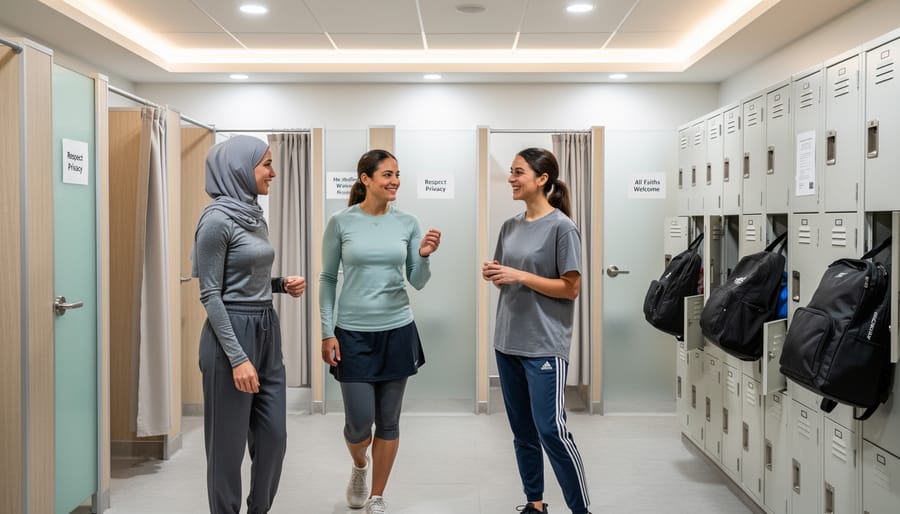
The Supreme Court of Canada has established clear legal precedent protecting the kirpan as a religious article of faith. This ruling, referenced in July 2026 following the Windsor incident, confirms that businesses providing services to the public, including fitness facilities like GoodLife, have a legal duty to accommodate religious practices unless they can demonstrate undue hardship.
The standard for proving undue hardship is high. Facilities can’t simply cite general safety concerns or customer discomfort. They must show specific, documented evidence that accommodation would fundamentally compromise operations or create genuine, unavoidable risks. This legal framework is transforming fitness spaces across Canada, requiring operators to update policies and train staff on religious accommodation.
For Sikh members wearing a kirpan, typically worn beneath clothing and secured, the religious obligation is non-negotiable. The courts recognize this, placing the responsibility on businesses to find reasonable solutions rather than asking individuals to compromise their faith. This might include documentation of the kirpan’s ceremonial nature, staff education about different religious practices, or policy clarification that distinguishes protected religious articles from prohibited items.
The Windsor incident highlighted gaps between legal requirements and frontline practice. Even with clear Supreme Court guidance, enforcement depends on informed, respectful application by gym staff and management.
3. GoodLife’s Response: Investigation Launched, Employee Retained
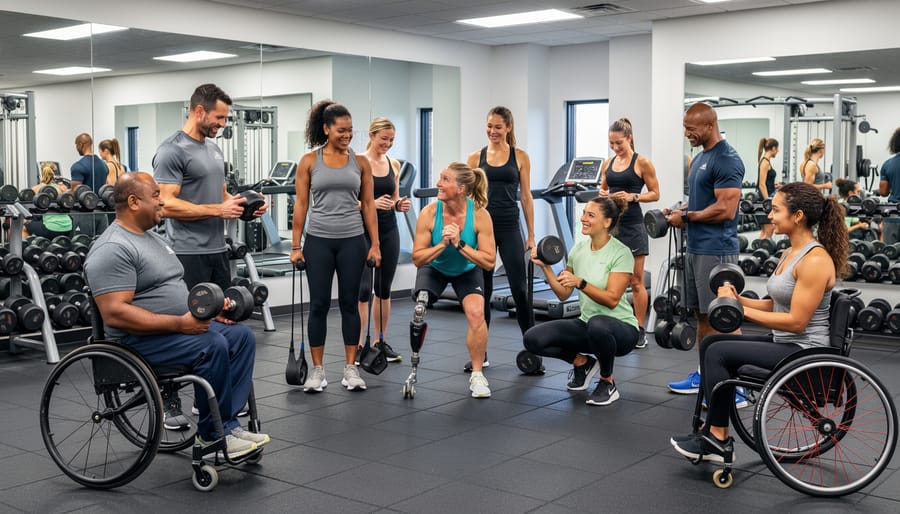
GoodLife Fitness responded to the incident with a measured approach that prioritizes both investigation and employee retention. The company issued a public statement confirming that it had launched an internal investigation into what happened at the Windsor location and had directly reached out to Gurpartap Singh Khalsa to address his concerns. Significantly, GoodLife made clear that the employee involved in the interaction would not be terminated, signaling that the company views this as a training and policy clarification opportunity rather than a disciplinary matter.
This response reflects a practical understanding that accommodation failures often stem from inadequate staff training rather than malicious intent. By retaining the employee while investigating, GoodLife acknowledges that front-line staff need better guidance on religious accommodation requirements. The investigation likely focuses on identifying gaps in current training protocols and determining whether existing policies adequately communicate legal obligations under Canadian human rights law.
What this means for policy review is substantial. GoodLife’s approach suggests forthcoming updates to staff training materials, clearer guidelines for handling religious articles, and possibly revised membership materials that explicitly welcome religious accommodation. This matters because gym environments significantly impact members’ willingness to maintain fitness routines, when people feel their identity is respected, they’re more likely to stick with their goals, whether those relate to body image and mental health or general wellness. The investigation’s outcome will likely influence how Canada’s fitness industry handles accommodation requests across the board.
Why This Matters for the Fitness Community
The Windsor kirpan incident matters far beyond one gym interaction because it exposes a fundamental tension in fitness spaces: the gap between public commitments to inclusion and the day-to-day policies that members actually experience. When someone feels unwelcome or disrespected at their gym, their fitness journey suffers. Research consistently shows that people who feel psychologically safe and accepted in their workout environment stick with their routines longer and achieve better results. This isn’t about political correctness; it’s about creating spaces where everyone can focus on their health goals without fighting for basic respect.
This incident highlights accommodation needs that exist across the fitness community but often go unaddressed. Religious observers may need modest dress options, designated spaces for prayer, or the ability to wear articles of faith like the kirpan. Cultural dietary restrictions affect supplement choices and nutrition counseling. People managing chronic conditions require flexible policies around medical devices. Even lifestyle considerations, like accommodating members who vape outside the facility or need smoke breaks during long sessions, reflect the broader challenge of balancing individual practices with shared space policies. The common thread is simple: when gyms acknowledge that members come from different backgrounds with different needs, everyone benefits from the resulting culture of mutual respect.
Creating truly inclusive fitness environments means facilities should consider:
- Staff training on religious accommodation, cultural awareness, and disability rights
- Clear, written policies that outline what accommodations are available and how to request them
- Flexible dress codes that respect modesty requirements and religious articles
- Designated quiet spaces for prayer, meditation, or breaks
- Diverse equipment options that accommodate different body types and abilities
- Multiple communication channels for members to raise concerns without confrontation
The Windsor incident proves that good intentions aren’t enough without proper implementation. GoodLife’s investigation matters precisely because it signals whether the company will align practice with principle. For members, the lesson is clear: your fitness goals are hard enough without added barriers. Choose facilities that demonstrate inclusion through policy, not just marketing copy, and don’t hesitate to advocate for changes that would help you and others train more effectively.
Balancing Personal Practices with Fitness Goals
Fitness journeys don’t happen in a vacuum. Every person who walks through a gym door brings their whole self, their faith, their habits, their values, their lifestyle choices. The kirpan dispute at GoodLife underscores a fundamental truth: when fitness spaces force people to choose between their identity and their workout, everyone loses.
Religious observance represents just one dimension of this challenge. A Sikh member needs to wear their kirpan. A Muslim woman may prefer women-only hours or modest workout attire. Someone observing Ramadan adjusts their training schedule around fasting. These aren’t obstacles to fitness, they’re part of how real people live real lives while pursuing health goals.
Lifestyle choices create similar intersections. Dietary preferences shape gym nutrition bar offerings and protein supplement selections. Some members use CBD products for recovery. Others vape and wonder whether they can do so near gym entrances or if nicotine affects their cardio performance. While vaping isn’t a religious accommodation issue, it illustrates how personal choices constantly bump against facility policies. Gyms that thoughtfully address these intersections, through designated areas, clear communication, and respect for diverse practices, remove friction that can derail consistency.
Here’s what matters: barriers kill momentum. When you feel unwelcome or forced to compromise core aspects of your identity, you skip workouts. You cancel memberships. You give up on goals you genuinely want to achieve. Inclusive gyms do the opposite, they signal that you belong exactly as you are, which strengthens commitment. Someone who doesn’t worry about being questioned or asked to leave focuses their energy where it belongs: on their fitness progress.
The most successful fitness journeys happen when facilities meet people where they are, accommodation and all.
What to Watch: Policy Updates and Industry-Wide Impact
The GoodLife incident has put religious accommodation on the radar of every major fitness chain in Canada. Watch for policy clarifications over the coming months, GoodLife’s investigation may prompt them to issue explicit guidelines affirming that kirpans and other religious articles are welcome, and competitors like Fit4Less, Anytime Fitness, and LA Fitness will likely review their own protocols to avoid similar controversies.
Staff training is the real test. Policies on paper mean nothing if front-line employees don’t understand their legal duty to accommodate. Expect to see chains roll out religious literacy modules covering Sikh articles of faith, hijabs, prayer needs, and other common requests. Some gyms may publicize this training to signal their commitment to inclusion.
Beyond kirpans, this dispute could spark broader conversations about what “inclusive fitness space” actually means. Gyms already navigate diverse needs, members following specific nutrition plans like those detailed in our creatine guide or shopping for bulk supplements like serious mass in Vancouver represent just one facet of personal practice accommodation. The question is whether this moment leads to meaningful change or remains an isolated headline.
When choosing a gym, ask about their accommodation policies directly. Do they have written guidelines? How do they train staff on diversity issues? A facility that welcomes all backgrounds will answer confidently, not defensively.
Common Questions About Religious Accommodation in Fitness Spaces
Can gyms legally prohibit kirpans in Canada?
No. The Supreme Court of Canada has ruled that the kirpan is a protected religious article of faith, and businesses providing services to the public, including fitness facilities like GoodLife Fitness, have a legal duty to accommodate unless they can demonstrate undue hardship.
What constitutes undue hardship for religious accommodation?
Undue hardship is a high legal bar determined by the Supreme Court of Canada. Gyms would need to prove that accommodation creates serious health and safety risks or excessive costs. General discomfort or misunderstanding of religious articles doesn’t meet this threshold.
What should I do if asked to remove a religious article at my gym?
Politely explain the religious significance and your legal right to accommodation under Canadian law. If the issue persists, request to speak with management, document the incident, and consider contacting your provincial human rights commission for guidance on filing a complaint.
How can fitness facilities better train staff on religious accommodation?
Gyms should implement comprehensive diversity training that covers various religious practices, legal obligations under human rights law, and respectful conversation techniques. Regular refresher sessions and clear written policies help ensure consistent, informed responses from all staff members.
Understanding your rights matters when choosing where to invest your fitness journey. The legal framework exists to protect religious expression, but enforcement depends on awareness from both members and staff. If you encounter resistance to legitimate religious accommodation, you’re not overreacting by seeking clarity or escalating the concern.
Many gyms genuinely want to create welcoming spaces but lack structured education on diverse practices. Members can help by sharing constructive feedback when policies seem unclear or when staff responses suggest training gaps. Supporting facilities that demonstrate commitment to inclusion through visible policies, diverse hiring, and proactive staff education creates better environments for everyone pursuing their health goals.
Fitness thrives when barriers fall. The GoodLife kirpan dispute reminds us that truly inclusive gyms don’t just tolerate diversity, they protect it. Whether someone’s balancing religious observance, lifestyle choices like vaping, or simply finding their path to better health, they deserve respect and space to pursue their goals. When you’re choosing where to train, look for facilities that demonstrate genuine commitment to accommodation through clear policies and staff training. Support gyms that understand this fundamental truth: everyone’s fitness journey matters, and removing obstacles, religious, cultural, or personal, creates stronger, more welcoming communities where we all succeed.
