


Tesamorelin is growth hormone-releasing hormone (GHRH 1-44) with a single hexenoyl modification added to its structure, and that small change makes all the difference. Without the modification, natural GHRH degrades in your bloodstream within minutes, never reaching therapeutic concentrations. The hexenoyl group, a six-carbon chain attached to the second amino acid (tyrosine), protects tesamorelin from enzymatic breakdown and extends its half-life long enough to trigger meaningful growth hormone release from your pituitary gland. This isn’t just a pharmaceutical tweak for the sake of patents. It’s what transforms a fragile biological signal into a practical tool for reducing visceral fat, improving body composition, and supporting metabolic health. If you decide to buy tesamorelin understanding how it works is essential.
The science behind this modification reveals why you can’t simply purchase this peptide and expect it to work like every other peptide. GHRH exists naturally in your body, but it’s designed for rapid signaling, not sustained action. Your body produces it in brief pulses that last seconds to minutes before enzymes called dipeptidyl peptidase-4 (DPP-4) and neutral endopeptidase break it down. The hexenoyl fatty acid chain shields the peptide from these enzymes, buying precious time in circulation and allowing it to bind to GHRH receptors in the anterior pituitary. The result is a controlled, physiologic boost in growth hormone that mirrors your body’s natural rhythm rather than overwhelming it.
Understanding this mechanism helps explain both tesamorelin’s benefits and its limitations. The modification doesn’t turn GHRH into a super-hormone or alter what growth hormone does once released. It simply solves the delivery problem that made earlier therapeutic attempts with unmodified GHRH impractical for anything beyond research settings.
Understanding GHRH 1-44 and Why It Needs Modification
Your body produces growth hormone-releasing hormone (GHRH 1-44) naturally in your hypothalamus. This 44-amino-acid peptide signals your pituitary gland to release growth hormone, which then affects everything from muscle maintenance to fat metabolism. Think of GHRH as the messenger that tells your body when it’s time to produce growth hormone, it’s part of the hormonal cascade that keeps your metabolism running smoothly.
The “1-44” designation refers to the full-length version of this hormone, containing all 44 amino acids in its natural sequence. When everything works properly, your hypothalamus releases GHRH, it travels to the pituitary gland, binds to specific receptors, and triggers growth hormone secretion. This process happens in pulses throughout the day and night, with the largest surge occurring during deep sleep.
Here’s where the challenge comes in: natural GHRH 1-44 breaks down incredibly fast once it’s in your bloodstream. We’re talking minutes, not hours. Enzymes called peptidases chop it apart almost immediately, which makes perfect sense for a hormone that’s supposed to work in quick bursts under normal conditions. Your body produces it right where it needs to act, so it doesn’t need to survive a long journey through circulation.
But this rapid breakdown creates a major problem when you’re trying to use GHRH as a treatment. If you inject unmodified GHRH 1-44, it starts degrading before it can reach the pituitary gland in therapeutic concentrations. By the time it gets where it needs to go, most of the peptide has already been chopped into inactive fragments. You’d need constant infusions to maintain effective levels, which isn’t practical for anyone, let alone someone trying to improve their body composition or address specific health conditions.
Scientists needed a way to extend GHRH’s lifespan in the body while keeping its ability to activate growth hormone release intact. That’s exactly what the hexenoyl modification accomplishes.
What the Hexenoyl Modification Actually Does
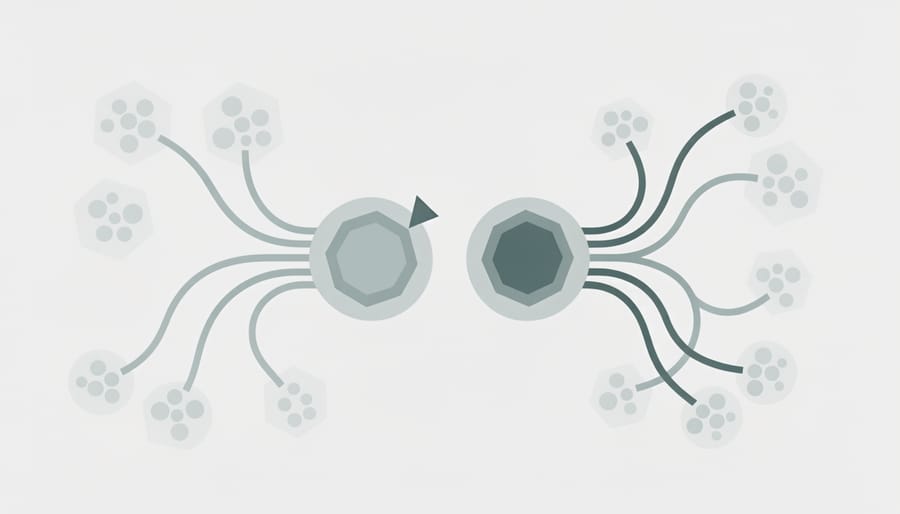
The hexenoyl modification is a small chemical addition that makes a world of difference. Think of it like adding a protective shield to a valuable package. The hexenoyl group is a six-carbon fatty acid chain that chemists attach to the first amino acid of the GHRH 1-44 sequence. This happens at the N-terminus, the beginning of the peptide chain, where the molecule is most vulnerable to breakdown.
This addition doesn’t change what GHRH does or how it interacts with receptors in your pituitary gland. The modification works more like giving GHRH a better delivery system. Without this protection, your body’s enzymes would tear apart natural GHRH within minutes, making it impossible to use as a treatment you could inject and expect to work.
The hexenoyl group accomplishes three critical improvements that transform GHRH from a fleeting signal into a viable therapeutic option:
- Protection from enzymatic breakdown, shielding the vulnerable spots where peptidase enzymes would normally cleave the molecule
- Extended circulation time in your bloodstream, increasing the half-life from under 10 minutes to around 30-40 minutes
- Maintained receptor affinity, ensuring tesamorelin still binds effectively to growth hormone-releasing hormone receptors
That half-life improvement might not sound dramatic, but it’s the difference between a peptide that vanishes before it can do its job and one that sticks around long enough to trigger meaningful growth hormone release. The fatty acid chain creates what scientists call steric hindrance. It physically blocks the enzymes that would otherwise chop up the peptide, buying precious time for tesamorelin to reach the pituitary gland and activate its receptors.
What makes this modification particularly elegant is its selectivity. The hexenoyl group doesn’t make tesamorelin bind better to receptors than natural GHRH would. It simply gives it a fighting chance to reach those receptors intact. You’re not getting a supercharged version of GHRH; you’re getting a protected version that can survive long enough to work the way nature intended.
This stability means tesamorelin can be manufactured, stored, and administered as a practical medication. You can reconstitute it, inject it subcutaneously, and trust it will maintain its structure long enough to stimulate growth hormone release. Without the hexenoyl modification, none of that would be possible.
How Tesamorelin Works in Your Body

Once you inject tesamorelin subcutaneously (usually in the abdomen), it enters your bloodstream and travels to your pituitary gland. There, it binds to specific GHRH receptors and triggers the release of your body’s own growth hormone, not synthetic GH, but your natural supply. This is a crucial distinction: tesamorelin doesn’t replace your hormones; it asks your body to produce more of what it already makes.
Growth hormone then circulates through your system and signals fat cells, particularly those storing visceral adipose tissue around your organs, to release stored triglycerides for energy. At the same time, it promotes protein synthesis in muscle tissue and enhances your metabolic rate. The hexenoyl modification we discussed earlier keeps tesamorelin active long enough to create a sustained pulse of growth hormone, mimicking the natural rhythms your body prefers.
The most dramatic effect shows up in visceral fat reduction, the deep abdominal fat linked to metabolic dysfunction. Clinical trials consistently demonstrate measurable decreases in this specific fat depot within 3-6 months of daily use. You won’t wake up leaner after a week; this is gradual recomposition, not rapid weight loss. Most people notice their waist measurements changing before the scale moves significantly, because they’re losing dense visceral fat while often maintaining or slightly increasing lean mass.
Your body-composition journey with tesamorelin doesn’t follow the typical diet-and-exercise timeline. Expect the first noticeable changes around week 8-12: pants fitting differently, slight improvements in fasting glucose if you track it, maybe better sleep quality from normalized GH patterns. Peak effects typically appear around month 6, though individual responses vary based on baseline body composition, existing hormone levels, diet quality, and training consistency.
The process requires patience and realistic expectations. Tesamorelin works with your physiology, not against it, which means slower but potentially more sustainable changes than aggressive calorie restriction. It’s one tool in a comprehensive approach, not a shortcut that eliminates the need for solid nutrition and regular training.
Real-World Benefits for Fitness and Body Composition

Fat Loss and Metabolic Impact
Tesamorelin’s primary claim to fame is its ability to reduce visceral adipose tissue, the deep belly fat that wraps around your organs and drives metabolic dysfunction. Unlike subcutaneous fat that you can pinch, visceral fat is metabolically active, pumping out inflammatory signals and interfering with insulin sensitivity. Clinical trials show tesamorelin can reduce visceral adipose tissue by 15-20% over six months, with some participants seeing improvements in waist circumference of 2-3 inches.
What makes this different from general weight loss? You might not see dramatic scale changes because tesamorelin tends to preserve lean mass while targeting visceral fat specifically. The metabolic benefits often precede visible changes, improved fasting glucose, better lipid profiles, and reduced inflammatory markers show up in bloodwork before you need new pants. This selective fat loss explains why some people document stubborn fat progress even when total body weight stays relatively stable.
The mechanism ties back to growth hormone’s effects on lipolysis and glucose metabolism. When GH levels rise in response to tesamorelin, your body becomes better at breaking down stored triglycerides and using fat for fuel. Insulin sensitivity improves, which helps break the cycle where excess visceral fat promotes insulin resistance, which then promotes more fat storage. It’s not magic, but for people who’ve plateaued despite solid nutrition and training, that metabolic shift can matter.
Muscle and Recovery Considerations
While tesamorelin’s fat-reducing effects get most of the attention, the research on muscle and recovery is more nuanced. Studies show that tesamorelin helps preserve lean body mass during fat loss, which matters because many calorie-restricted approaches lead to muscle loss alongside fat reduction. In clinical trials, participants maintained or slightly increased lean tissue while losing visceral fat, suggesting that the growth hormone pulse protects muscle when you’re in an energy deficit.
The recovery angle is less straightforward. Growth hormone does play a role in tissue repair and protein synthesis, and users sometimes report feeling recovered faster between training sessions. However, the tesamorelin dosing used in research produces modest GH increases compared to direct growth hormone administration, so expectations should match that reality. You’re not getting the dramatic recovery boost that comes with higher GH levels.
What we don’t have is robust data showing tesamorelin directly builds muscle in healthy, trained individuals. The studies demonstrating lean mass preservation mostly involved people with HIV-related lipodystrophy, not athletes optimizing performance. If your primary goal is muscle gain, traditional approaches like progressive overload and adequate protein remain far more important than any peptide intervention.
The takeaway: tesamorelin appears protective of existing muscle during fat loss phases, with possible modest recovery benefits. It’s not a muscle-building compound, and it won’t replace foundational training and nutrition habits.
What You Need to Know Before Considering Tesamorelin

Tesamorelin isn’t something you pick up at a supplement store or add to your routine like creatine. It requires a prescription, medical evaluation, and ongoing supervision, period. This isn’t about gatekeeping or creating unnecessary hurdles; it’s about safety and effectiveness.
Your doctor will typically run baseline tests before prescribing tesamorelin: liver function, glucose levels, and IGF-1 measurements. They’ll also evaluate whether you have conditions that might make tesamorelin inappropriate, such as active cancer, diabetic retinopathy, or disrupted pituitary function. Pregnancy is an absolute contraindication. If you have diabetes or prediabetes, closer monitoring becomes essential since tesamorelin can affect blood sugar regulation.
Common side effects show up in about 30-40% of users but are generally mild. Joint pain and muscle aches top the list, often appearing during the first few weeks and typically resolving as your body adjusts. Some people experience injection site reactions, redness, itching, or slight swelling. Water retention can occur, leading to temporary puffiness in your hands or feet. Rarely, numbness or tingling happens. Most of these effects don’t require stopping the medication, but they warrant discussion with your provider.
Here’s something crucial: tesamorelin fits into a holistic fitness approach only as one piece, not the foundation. It doesn’t replace consistent training, adequate sleep, or proper nutrition. Think of it as addressing a specific issue, visceral fat that’s resistant to lifestyle interventions, rather than a shortcut to general fitness. Just as fitness and vaping require understanding their interactions, tesamorelin needs context within your broader health picture.
The cost runs substantial, often several hundred dollars monthly, and insurance coverage varies widely. This financial reality matters when considering long-term use.
Don’t approach tesamorelin as you might serious mass options for muscle building. It’s a specialized therapeutic tool for a specific problem, not a general performance enhancer. If you’re simply looking to get leaner or build muscle, focus first on optimizing your training, nutrition, and recovery. Tesamorelin becomes relevant when you have documented visceral adiposity that’s proven resistant to those foundational efforts, and when your doctor agrees it makes sense for your situation.
Common Questions About Tesamorelin and Hexenoyl Modification
Most people considering tesamorelin have similar questions about how it works, what to expect, and whether it makes sense for their situation. These questions come up repeatedly in fitness communities and medical consultations, so let’s address the most important ones directly.
The first thing many people ask is whether tesamorelin is the same as taking growth hormone. It’s not. Tesamorelin stimulates your pituitary gland to release growth hormone in a more natural, pulsatile pattern, similar to how your body already works. Direct growth hormone replacement floods your system with synthetic hormone regardless of what your body needs at that moment. Think of tesamorelin as turning up the volume on your body’s existing system rather than replacing the whole sound system. This difference matters because working with your natural rhythms typically produces fewer side effects and maintains better feedback regulation.
Does the hexenoyl modification make tesamorelin stronger than natural GHRH?
No, the modification doesn’t increase potency, it increases duration. The hexenoyl addition makes the peptide last long enough to actually work, turning a compound that breaks down in minutes into one that remains active long enough to stimulate growth hormone release.
What’s a typical tesamorelin protocol?
Medical protocols usually involve daily subcutaneous injections, typically in the abdominal area, at a standard dose determined by your prescribing physician. Results for visceral fat reduction typically become noticeable after three to six months of consistent use.
Is tesamorelin worth it for general fitness goals?
Tesamorelin was developed for specific medical conditions involving excess visceral fat, not as a general fitness enhancement. If you don’t have a legitimate medical indication and can achieve your goals through training and nutrition, those foundational approaches should come first.
How much does tesamorelin cost?
Tesamorelin is expensive, often several hundred dollars per month even with insurance coverage. Cost varies significantly based on insurance, compounding pharmacy versus brand name, and regional factors, making it a substantial financial commitment.
Another common concern is whether the modification affects how well tesamorelin works compared to natural GHRH. The hexenoyl group doesn’t change what the peptide does at the receptor level, it changes how long it survives to get there. You’re getting the same signal to release growth hormone, just delivered in a way that actually reaches the target before breaking down.
People also wonder if tesamorelin makes sense for typical fitness goals like building muscle or cutting fat for a competition. The honest answer is that it was designed for a specific medical problem, excess visceral adipose tissue in people with HIV-associated lipodystrophy. If you’re dealing with stubborn abdominal fat that hasn’t responded to solid nutrition and training over time, and you have medical supervision, it might be worth discussing with a healthcare provider. But if you’re not consistently nailing the basics, progressive training, adequate protein, managing stress and sleep, tesamorelin won’t fix those gaps. It’s a tool for a specific situation, not a shortcut around foundational habits.
The hexenoyl modification transforms GHRH 1-44 from a fragile natural hormone into tesamorelin, a stable, therapeutically viable peptide with real-world applications for body composition. That single chemical addition solves the rapid breakdown problem, extends the half-life, and creates a tool that can target visceral fat with precision that diet and exercise alone sometimes struggle to achieve.
But here’s the reality check: tesamorelin isn’t a shortcut, and it’s not for everyone. The research shows meaningful results for visceral adipose tissue reduction, but those results come with medical supervision, consistent use over months, and careful monitoring for side effects. It works best when you’ve already built the foundation, regular training, solid nutrition, adequate sleep. Think of it as a potential addition to a comprehensive approach, not a replacement for the basics.
If you’re genuinely struggling with stubborn abdominal fat despite consistent effort, or if you have specific metabolic concerns that tesamorelin might address, have an informed conversation with a healthcare provider who understands peptide therapy. Go in with realistic expectations about timelines, costs, and what the modification actually delivers.
For most fitness enthusiasts, focusing on progressive resistance training, protein intake, and lifestyle factors will get you where you want to go. Stay curious about emerging options like tesamorelin, but don’t let shiny new tools distract you from the fundamentals that consistently work. Understanding the science behind modifications like hexenoyl addition helps you make informed decisions, whether that means exploring tesamorelin with proper medical guidance or recognizing that your current path is already working.
