


GoodLife Fitness free summer offers tend to show up in the late spring and early summer window, roughly May through July, though the exact start and end dates change from year to year and can differ by region and by club. Some promotions run for a few weeks, others stretch across the whole season, and the fine print on what “free” covers (a single month, a waived joining fee, a short trial) varies with each campaign. The biggest factor that shifts the timing is simple: GoodLife sets its promotions based on demand, so a slow summer stretch can bring a bigger or longer offer than a busy one.
That last part matters more than the deal itself. A free month is only valuable if you use it, and most of us know how easily a good intention fades by week three. Whether your goal is steady weight loss, more energy, or just feeling stronger on the stairs, the weeks you don’t pay for are a low-pressure way to find out what actually fits your life. Think of it as a test drive for your health, not a finish line.
The Quick Answer: When Free Summer Offers Usually Show Up
Key Terms to Understand Before You Sign Up
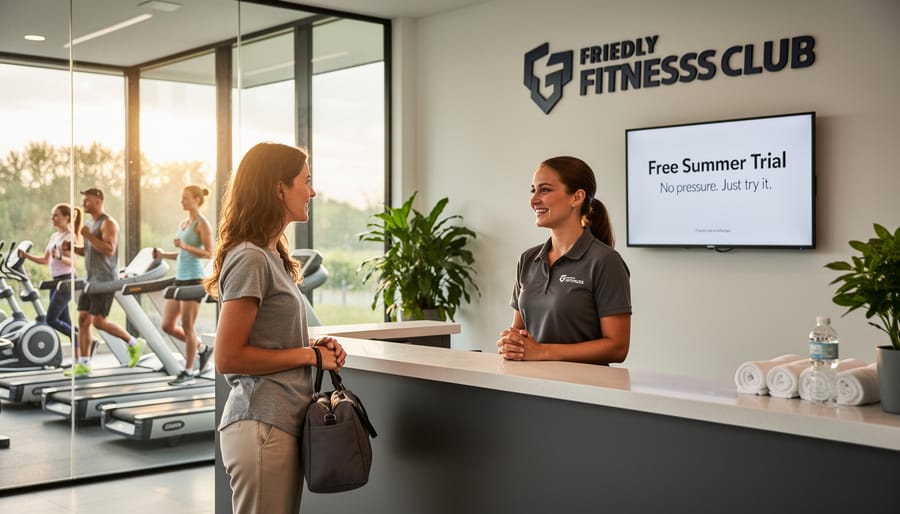
Before you sign up, it helps to know what the fine print is actually saying. These terms come up again and again in gym offers, and each one affects what you’ll pay and what you can use.
- Trial period
- The set stretch of time you can use the club at no cost. Check exactly when it starts and when it ends.
- Enrollment fee
- A one-time charge for joining. A “free” offer may waive this fee without making the membership time itself free.
- Auto-renewal
- Your membership rolls over and begins billing you automatically unless you act first.
- Cancellation window
- The deadline for ending your membership without being charged. Put it in your calendar the day you sign up.
- Club access level
- Which locations, hours and extras your membership includes. Some plans cover only your home club, while others open the door to many.
- Cardio vs. strength zones
- The areas of the gym built for heart-pumping machines versus weights and resistance equipment. Knowing the layout helps you plan a balanced visit.
Once these terms feel familiar, comparing offers gets much easier, and you can focus on how you’ll use the time instead of worrying about surprises later.
Timing Windows: When to Start Your Free Stretch for the Best Results
A Simple Week-by-Week Plan for Your First Month
Your first month works best when it builds slowly. Think of it as four small steps rather than one big push, and adjust each week to how you feel.
- Week one: orientation and gentle movement. Tour the club, learn where things are, and try two or three short sessions of 20 to 30 minutes. Walk on the treadmill, stretch, and test a few machines at light effort.
- Week two: build consistency. Pick the same three days and times each week so the routine starts to feel automatic. Add a simple full-body strength circuit with light weights and keep one full rest day between sessions.
- Week three: add variety. Drop in on a group class, try a low-impact option like cycling or swimming, or work in a bodyweight basics session. Notice what you actually look forward to.
- Week four: review what worked. Look back at your energy, mood, sleep and strength. Keep the sessions you enjoyed, trim the ones you dreaded, and sketch your plan for the weeks ahead.
Beginners can start with fewer sessions, and more experienced members can add time or weight in weeks three and four. Soreness that lingers, or any sharp pain, is a cue to rest. If you’re pregnant or postpartum, review the ACOG exercise guidance in pregnancy and talk with your health professional before choosing activities.
Rest days aren’t wasted days. They’re when your body adapts, so treat them as part of the plan.
What Can Shift Your Timing and Your Results
Checking the Fine Print Before You Commit
Free offers are only as good as the terms behind them, and those terms can change from one year to the next. Before you hand over your details or sign anything, take a few minutes to read what you’re actually agreeing to. Look for the start and end dates, what “free” really covers, whether any fees still apply, and what happens when the free period wraps up.
It also helps to ask a staff member to walk you through anything that’s unclear. A quick question at the front desk or through GoodLife’s official channels can save you confusion later. If the details don’t fit your schedule or budget, it’s perfectly fine to wait or skip the offer. The goal is a start that feels good and low-stress, not one you regret.
Getting the Weight Loss and Fitness Benefits Out of Your Free Time
A free stretch at the gym works best when you treat it like a low-stakes experiment. You’re not trying to transform anything in a few weeks. You’re finding out what fits your life, your energy and your body.
Start by mixing things up. Spend some time on cardio, some on strength training, and try a group class or two. Each one gives your body something different, and you’ll quickly learn which ones leave you feeling good rather than drained. Calisthenics, low-impact options and prenatal-friendly classes all belong here too, so pick what suits your stage of life. Alternative methods like yoga, mobility work or mindful movement deserve the same respect as a heavy lifting session.
Here are a few ways to get more from the free period:
- Book an orientation so you know where things are and what’s available.
- Try three different class types before deciding what you like.
- Schedule workouts like appointments you wouldn’t cancel.
- Track your energy and mood after each session, not just the scale.
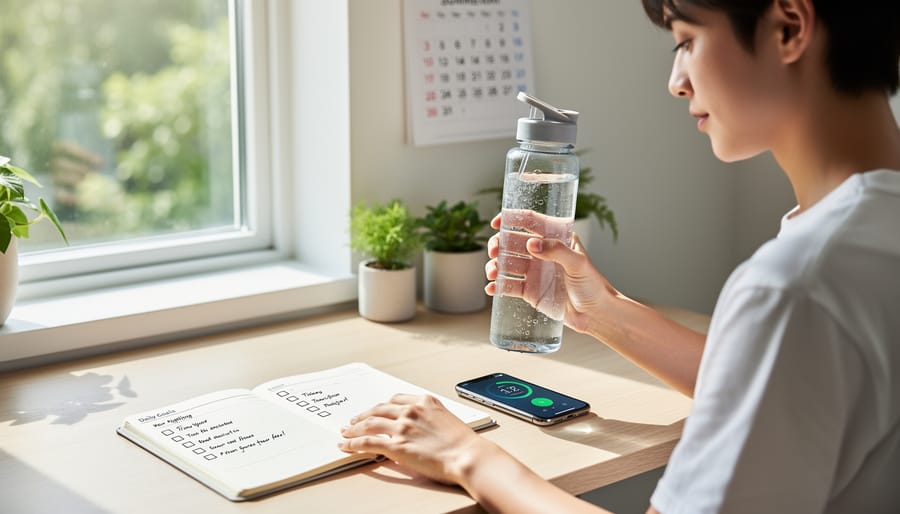
- Pick one nutrition habit to improve, like adding water or a protein-rich breakfast.
Speaking of the scale, try loosening your grip on it. Notice whether you sleep better, climb stairs more easily, or feel steadier through the afternoon. Those wins tend to keep you coming back far longer than a number does. If you’ve ever struggled with how you see yourself, it’s worth reading about body image and mental health before setting goals that feel like pressure.
Food can support the work without becoming a source of stress. Small, steady changes beat strict rules. Some people also explore supplements to round out their routine, and if you’re curious about options like serious mass Vancouver, a qualified professional can help you decide what’s right for you.
Above all, use these weeks to discover what you genuinely enjoy. Movement you look forward to is movement you’ll keep doing.
Aftercare: What to Do When the Free Summer Ends
When the free stretch winds down, the habits you built matter more than the offer itself. This is the moment to follow through rather than drift, and there’s no wrong choice here. Some people keep going, some scale back, and some take a planned break. What helps is deciding on purpose instead of letting the calendar decide for you.
Use your final week like this:
- Look back at your progress and enjoyment. Which workouts left you feeling energized, and which did you dread? Notice sleep, mood and stamina, not just the scale.
- Check the renewal and cancellation terms. Find the exact date and method for cancelling or confirming, and put a reminder in your phone so nothing renews by surprise.
- Decide your next step: continue, move to a lower-cost plan, switch to online or community classes, or pause for a while.
- Set one small goal for the next month, like three sessions a week or trying one new class.
- Plan your recovery routine so your body keeps getting what it needs.
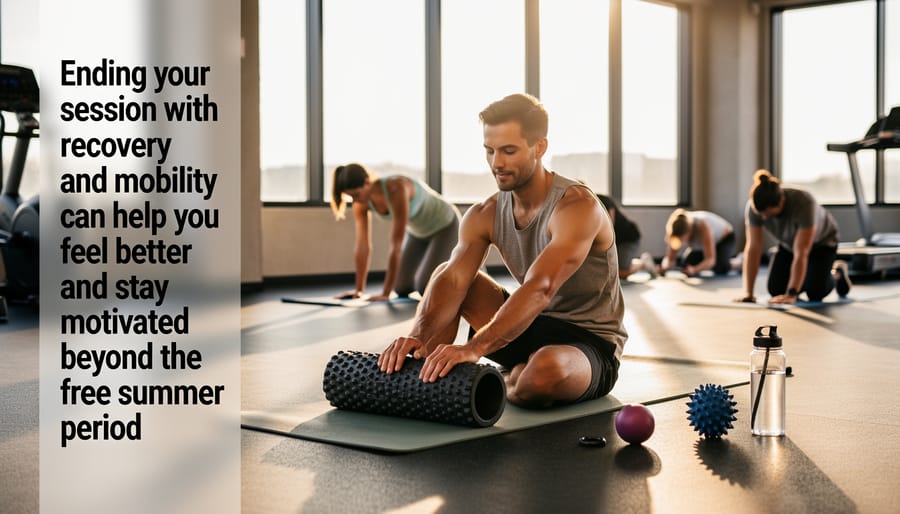
That recovery plan deserves real attention. Aim for steady sleep, drink water through the day, and schedule at least one or two rest days each week. Five to ten minutes of gentle stretching after a session can ease stiffness and help you feel ready for the next one.
If you do hit a slump, treat it as normal, not as failure. Shorten your workouts, walk instead of lifting, or book a friend to train with. Showing up in a smaller way still keeps the routine alive, and that’s what carries you past the free period.
Common Questions About GoodLife Fitness Free Summer
Here are the questions readers ask most often, answered in plain terms. Because offers change from season to season, treat these as general guidance and confirm specifics with GoodLife before you sign up.
When does the free summer offer usually run?
Gyms tend to promote trial offers from late spring through summer, but start and end dates differ every year. Check GoodLife’s official site or ask at your local club for the current window.
Does “free” mean there are no fees at all?
Not always. Some offers waive enrollment fees, others cover membership time, and add-ons like classes or training may cost extra, so read the terms closely.
Can beginners use it?
Absolutely. A no-cost stretch is a low-pressure way to try cardio, strength work and classes at your own pace, whatever your fitness level.
What happens when it ends?
You’ll usually need to continue, switch plans or cancel, and the steps depend on your agreement. Note the end date early so nothing renews by surprise.
Eligibility rules, sign-up deadlines and club policies can shift, so it’s worth keeping up with GoodLife policy changes that might affect how you use your membership. When in doubt, call or visit your nearest club and ask for the terms in writing. A few minutes of checking now saves headaches later and lets you focus on what matters: showing up, moving in ways you enjoy and building habits that last.
The timing answer comes down to this: GoodLife free summer offers tend to appear in late spring through summer, but dates and terms change, so confirm the current details with GoodLife before you plan anything. Once you know the window, pick the start that fits your life.
| Start window | Suits best | Watch-outs | Suggested focus |
|---|---|---|---|
| Early summer | Building a fresh routine | Easy to overdo it at first | Habit building |
| Mid summer | Steady, flexible schedules | Vacations can interrupt | Strength basics |
| Late summer | Prepping for a fall routine | Less time to settle in | Cardio base |
Whichever window you choose, a free stretch is a low-pressure way to find movement you enjoy and notice how you feel, not just what the scale says. Start small. This week, take one step: check the official details, or book a single visit.
