
Deadlift
An exercise for the hamstrings and back. See
example
Definition
Visibility of the shape and detail of individual muscles
as occurs in individuals with low bodyfat.
Deltoids
Delts. The shoulder muscles, which are divided into three heads:
anterior, medial, and posterior
Deoxyribonucleicacid
DNA. The chemical, typically formed into chromosomes, that forms
the chemical basis of genetics and heredity.
Dextrose
See glucose
DHT
see dihydrotestosterone
Diabetes
Type II diabetes is a condition in which the body has become desensitized
to insulin. This causes blood sugar to rise and many associated complications.
Type I diabetes is a much less common disease in which the body not produce
sufficient amounts of insulin.
Dihydrotestosterone
A highly androgenic hormone produced from testosterone by the enzyme 5-alpha-reductase.
This hormone is the primary culprit in male pattern baldness and benign prostate
enlargement.
Dinitrophenol
2,4-dinitrophenol, DNP. A potent nonselective uncoupler of oxidative
phosphorylation that is not only effective when ingested, but can also be
absorbed through the skin. It is used industrially as a wood preservative,
in the production of explosives, and as an ingredient in insecticides. It
is extremely flammable or explosive when dry.
Its use as a weight loss aid dates back to the 1920's, but side effects such
as lethargy, malaise, death, and bad breath soon caused the medical establishment
to discontinue its use. Reintroduced to the public as a weight loss technique
by the late Dan Duchaine, the small therapeutic range (the difference between
the effective dose and the lethal dose) and serious side effects have continued
to discourage its use.
Diuretic
A drug that increases the rate at which water is excreted through the kidneys
DNA
see deoxyribonucleicacid
DNP
see dinitrophenol
Down Regulation
Decreasing the activity or responsiveness of a physiological process by reducing
the number of available receptors.
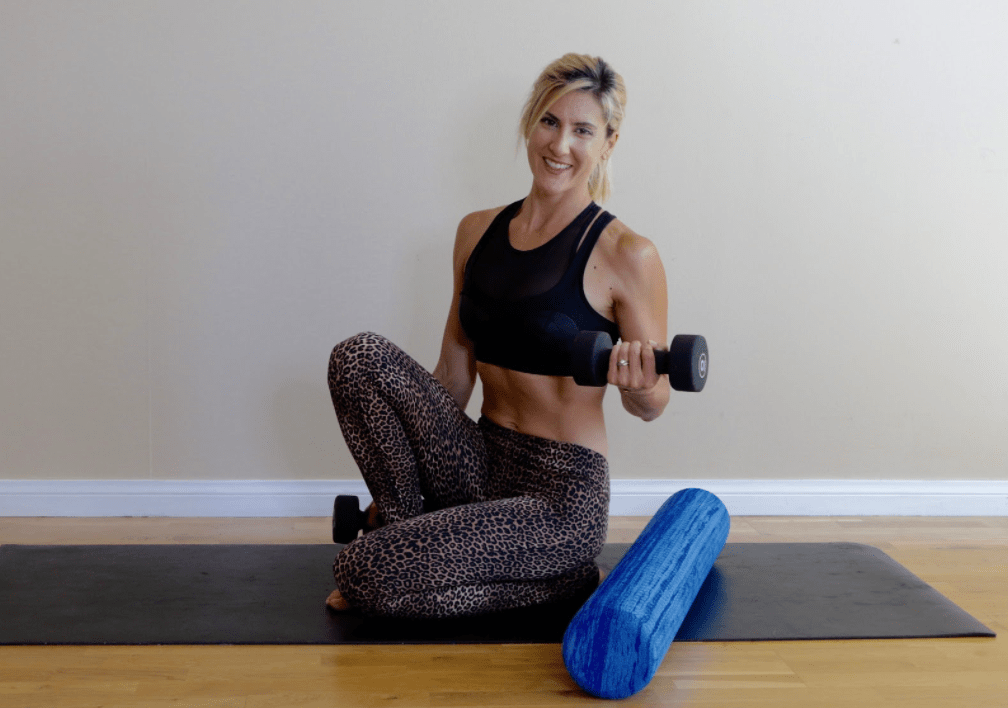
Dumbbell
A short bar with fixed or changeable weights mounted on each end with enough
space in between to grip with one hand. The term "dumbbell" comes
from the practice of demonstrating strength by lifting heavy cast metal bells
(like the Liberty Bell, only smaller and not cracked). A "dumb bell"
was a bell made without a clapper so that it would not ring through one's
show of physical prowess. Eventually, any weight meant to be hefted with one
hand was referred to as a "dumbbell" and after what we now think
of as being a dumbbell shape became standard, the word "bar bell"
or "barbell" was coined to refer to a similar weight with a central
bar long enough to be held easily with two hands.